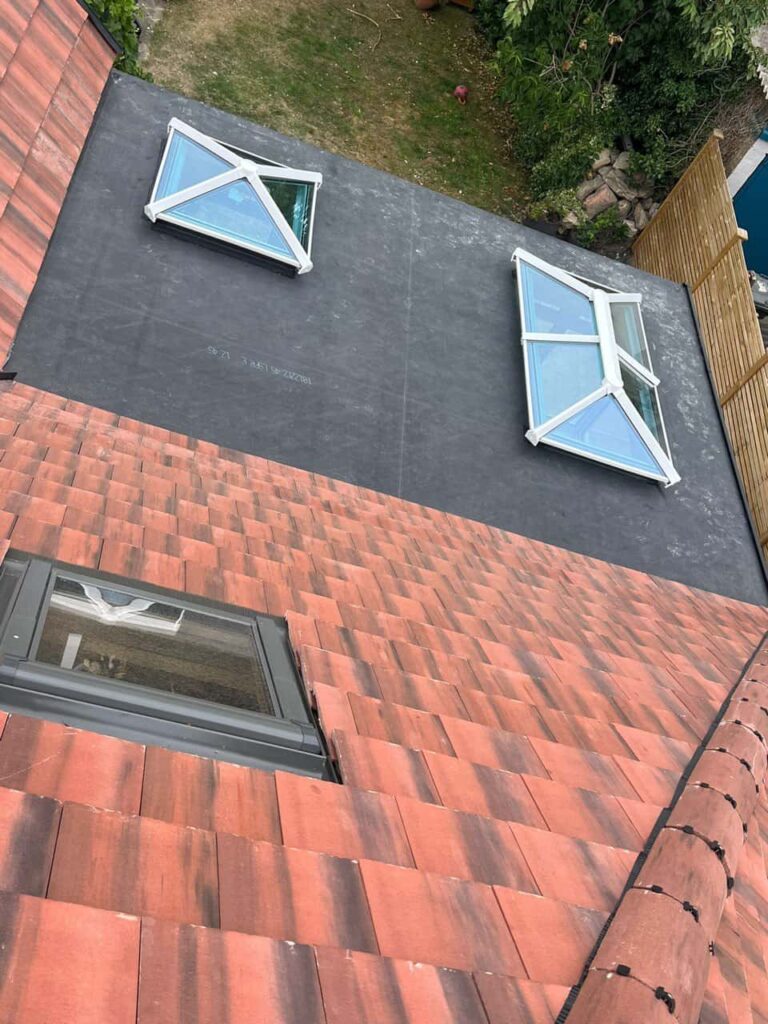
A roof needs more than sound tiles or slates to keep a property protected from the weather. The areas where the roof meets a chimney, wall, roof window or other structure can be particularly vulnerable to water ingress. Lead flashing helps seal these junctions, directing rainwater away from vulnerable points and towards the roof drainage system.
When lead flashing becomes cracked, loose or poorly fitted, water can find its way beneath the roofing materials and cause damage to the roof structure and interior of a property. For homeowners in Burwell, Cambridgeshire, recognising the signs of flashing deterioration and arranging repairs promptly can help prevent more extensive roofing problems.
Burwell Roofing Repairs provides professional roof repair services to help identify flashing defects and restore effective weather protection.
What Is Lead Flashing and Why Is It Important?
Lead flashing is a flexible roofing material used to create a weather-resistant seal around roof junctions and other areas where water could penetrate. It is commonly found around chimneys, abutments, roof valleys and roof features that interrupt the main roof covering.
Its flexibility allows it to be shaped to suit different roof details and accommodate some movement caused by changes in temperature. When correctly installed, lead flashing overlaps the surrounding roofing materials and directs rainwater away from vulnerable joints.
However, flashing must be properly formed, secured and integrated with the surrounding roof. If it deteriorates or becomes displaced, water may pass behind the flashing and enter the building.
Common Signs That Lead Flashing Needs Repair
Identifying flashing problems early can help reduce the risk of dampness and damage to the roof structure. Some defects are visible from the ground, while others require a closer professional inspection.
Cracked or Split Lead
Lead can develop splits or fatigue cracks over time, particularly where repeated movement and weather exposure place stress on the material. These defects can create openings through which rainwater enters the roof.
Even a small split may allow moisture to reach the underlying masonry or roof structure. A roofing professional can assess the extent of the damage and determine whether a localised repair or replacement section is appropriate.
Loose or Lifted Flashing
Flashing may become loose if its fixings deteriorate, the surrounding mortar fails or the material has not been secured correctly. Wind can lift exposed edges, while gaps may develop where the flashing meets a wall or chimney.
Loose flashing should not be pushed back into place without understanding why it has moved. The underlying fixing or junction may also need attention to provide a lasting repair.
Deteriorating Mortar Joints
Lead flashing is often secured into joints in masonry, particularly around chimneys and adjoining walls. If the mortar becomes loose, cracked or eroded, the flashing may no longer form an effective seal.
Water can then enter through gaps between the flashing and the masonry. Depending on the condition of the surrounding materials, repairs may involve renewing the defective joint and correctly securing the flashing.
Damp Patches and Water Staining Indoors
Brown ceiling marks, damp patches around chimney breasts, peeling paint or persistent moisture near roof junctions can indicate water ingress. However, these symptoms do not automatically confirm a flashing defect, as damaged tiles, blocked drainage and other roof problems can cause similar issues.
A professional roof inspection can trace the likely source of the leak and identify whether lead flashing is contributing to the problem.
How Proper Lead Flashing Repairs Prevent Water Ingress
Effective flashing repairs address the point where water enters rather than simply covering the visible symptoms.
Restoring a Weather-Resistant Junction
When flashing has split, lifted or become detached, repairs can restore the overlap and seal needed to direct rainwater away from vulnerable roof junctions. The appropriate method depends on the type and extent of the damage.
Minor defects may be repairable, while severely fatigued, extensively split or incorrectly fitted lead may need partial or complete replacement. Choosing the right solution helps reduce the likelihood of the same problem returning.
Securing Flashing Correctly
Proper fixing is essential for long-term performance. Flashing must remain securely positioned while allowing for the movement associated with temperature changes and the materials around it.
Repairs may include addressing defective fixings, correcting lifted sections and renewing deteriorated mortar joints. Simply applying sealant over a damaged area may provide only a temporary improvement if the underlying problem remains unresolved.
Protecting the Roof Structure
Water entering through defective flashing can affect roof timbers, insulation, plasterwork and internal finishes. Continued moisture may also contribute to timber deterioration and persistent damp conditions.
Repairing the source of water ingress promptly helps limit further exposure. Where a leak has been present for some time, the affected areas may also need to be checked for secondary damage.
Why Professional Inspection Matters
Lead flashing can be difficult to assess accurately from ground level. Some defects are hidden beneath overlapping materials or occur where the flashing meets masonry, making it important to examine the entire junction rather than just the visible section.
A professional roofer can inspect the flashing, surrounding tiles or slates, mortar joints and nearby roof details to establish the likely cause of water ingress. This helps distinguish between a localised flashing defect and a wider roofing problem.
For properties in Burwell, Cambridgeshire, timely inspection is particularly useful when damp patches appear after rainfall or when flashing looks visibly loose or damaged. Addressing the cause early can help protect the roof and reduce avoidable disruption inside the property.
How to Help Maintain Lead Flashing
Although lead flashing is durable, regular roof maintenance can help identify deterioration before it leads to a leak.
- Arrange periodic roof inspections, particularly around chimneys and wall junctions.
- Look for signs of dampness or water staining inside the property.
- Seek professional advice if flashing appears lifted, split or detached.
- Address damaged mortar and surrounding roofing defects promptly.
- Avoid walking on the roof or attempting repairs without suitable training and equipment.
These measures can help identify developing problems and maintain the effectiveness of the roof’s weatherproofing details.
Conclusion
Lead flashing plays an essential role in protecting vulnerable roof junctions from water ingress. Cracks, loose sections and deteriorating mortar joints can allow rainwater to penetrate the roof, potentially damaging timbers, insulation and internal finishes. Professional repairs restore the integrity of these junctions and help prevent recurring leaks.
Burwell Roofing Repairs provides roof repair services for property owners in Burwell, Cambridgeshire, including assistance with suspected flashing defects and water ingress. If you have noticed damp patches, damaged leadwork or signs of a roof leak, contact the team to discuss your concerns and arrange a professional inspection.
Lead Flashing Repairs: How Proper Flashing Helps Prevent Water Ingress in Burwell, Cambridgeshire
A roof needs more than sound tiles or slates to keep a property protected from the weather. The areas where the roof meets a chimney, wall, roof window or other structure can be particularly vulnerable to water ingress. Lead flashing helps seal these junctions, directing rainwater away from vulnerable points and towards the roof drainage system.
When lead flashing becomes cracked, loose or poorly fitted, water can find its way beneath the roofing materials and cause damage to the roof structure and interior of a property. For homeowners in Burwell, Cambridgeshire, recognising the signs of flashing deterioration and arranging repairs promptly can help prevent more extensive roofing problems.
Burwell Roofing Repairs provides professional roof repair services to help identify flashing defects and restore effective weather protection.
What Is Lead Flashing and Why Is It Important?
Lead flashing is a flexible roofing material used to create a weather-resistant seal around roof junctions and other areas where water could penetrate. It is commonly found around chimneys, abutments, roof valleys and roof features that interrupt the main roof covering.
Its flexibility allows it to be shaped to suit different roof details and accommodate some movement caused by changes in temperature. When correctly installed, lead flashing overlaps the surrounding roofing materials and directs rainwater away from vulnerable joints.
However, flashing must be properly formed, secured and integrated with the surrounding roof. If it deteriorates or becomes displaced, water may pass behind the flashing and enter the building.
Common Signs That Lead Flashing Needs Repair
Identifying flashing problems early can help reduce the risk of dampness and damage to the roof structure. Some defects are visible from the ground, while others require a closer professional inspection.
Cracked or Split Lead
Lead can develop splits or fatigue cracks over time, particularly where repeated movement and weather exposure place stress on the material. These defects can create openings through which rainwater enters the roof.
Even a small split may allow moisture to reach the underlying masonry or roof structure. A roofing professional can assess the extent of the damage and determine whether a localised repair or replacement section is appropriate.
Loose or Lifted Flashing
Flashing may become loose if its fixings deteriorate, the surrounding mortar fails or the material has not been secured correctly. Wind can lift exposed edges, while gaps may develop where the flashing meets a wall or chimney.
Loose flashing should not be pushed back into place without understanding why it has moved. The underlying fixing or junction may also need attention to provide a lasting repair.
Deteriorating Mortar Joints
Lead flashing is often secured into joints in masonry, particularly around chimneys and adjoining walls. If the mortar becomes loose, cracked or eroded, the flashing may no longer form an effective seal.
Water can then enter through gaps between the flashing and the masonry. Depending on the condition of the surrounding materials, repairs may involve renewing the defective joint and correctly securing the flashing.
Damp Patches and Water Staining Indoors
Brown ceiling marks, damp patches around chimney breasts, peeling paint or persistent moisture near roof junctions can indicate water ingress. However, these symptoms do not automatically confirm a flashing defect, as damaged tiles, blocked drainage and other roof problems can cause similar issues.
A professional roof inspection can trace the likely source of the leak and identify whether lead flashing is contributing to the problem.
How Proper Lead Flashing Repairs Prevent Water Ingress
Effective flashing repairs address the point where water enters rather than simply covering the visible symptoms.
Restoring a Weather-Resistant Junction
When flashing has split, lifted or become detached, repairs can restore the overlap and seal needed to direct rainwater away from vulnerable roof junctions. The appropriate method depends on the type and extent of the damage.
Minor defects may be repairable, while severely fatigued, extensively split or incorrectly fitted lead may need partial or complete replacement. Choosing the right solution helps reduce the likelihood of the same problem returning.
Securing Flashing Correctly
Proper fixing is essential for long-term performance. Flashing must remain securely positioned while allowing for the movement associated with temperature changes and the materials around it.
Repairs may include addressing defective fixings, correcting lifted sections and renewing deteriorated mortar joints. Simply applying sealant over a damaged area may provide only a temporary improvement if the underlying problem remains unresolved.
Protecting the Roof Structure
Water entering through defective flashing can affect roof timbers, insulation, plasterwork and internal finishes. Continued moisture may also contribute to timber deterioration and persistent damp conditions.
Repairing the source of water ingress promptly helps limit further exposure. Where a leak has been present for some time, the affected areas may also need to be checked for secondary damage.
Why Professional Inspection Matters
Lead flashing can be difficult to assess accurately from ground level. Some defects are hidden beneath overlapping materials or occur where the flashing meets masonry, making it important to examine the entire junction rather than just the visible section.
A professional roofer can inspect the flashing, surrounding tiles or slates, mortar joints and nearby roof details to establish the likely cause of water ingress. This helps distinguish between a localised flashing defect and a wider roofing problem.
For properties in Burwell, Cambridgeshire, timely inspection is particularly useful when damp patches appear after rainfall or when flashing looks visibly loose or damaged. Addressing the cause early can help protect the roof and reduce avoidable disruption inside the property.
How to Help Maintain Lead Flashing
Although lead flashing is durable, regular roof maintenance can help identify deterioration before it leads to a leak.
- Arrange periodic roof inspections, particularly around chimneys and wall junctions.
- Look for signs of dampness or water staining inside the property.
- Seek professional advice if flashing appears lifted, split or detached.
- Address damaged mortar and surrounding roofing defects promptly.
- Avoid walking on the roof or attempting repairs without suitable training and equipment.
These measures can help identify developing problems and maintain the effectiveness of the roof’s weatherproofing details.
Conclusion
Lead flashing plays an essential role in protecting vulnerable roof junctions from water ingress. Cracks, loose sections and deteriorating mortar joints can allow rainwater to penetrate the roof, potentially damaging timbers, insulation and internal finishes. Professional repairs restore the integrity of these junctions and help prevent recurring leaks.
Burwell Roofing Repairs provides roof repair services for property owners in Burwell, Cambridgeshire, including assistance with suspected flashing defects and water ingress. If you have noticed damp patches, damaged leadwork or signs of a roof leak, contact the team to discuss your concerns and arrange a professional inspection.
Call us on: 01638 599 990
Click here to find out more about Burwell Roofing Repairs
Click here to complete our contact form and see how we can help with your roofing needs.