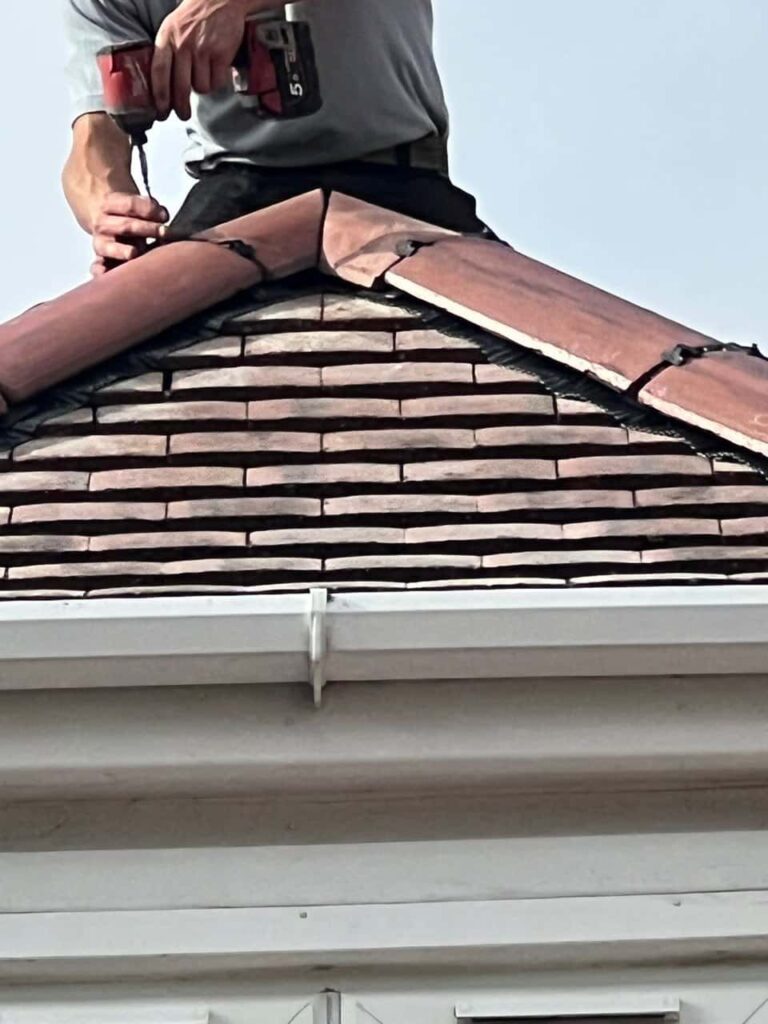
A roof is designed to keep rainwater out of a property, but some of its most vulnerable areas are not covered by tiles or slates alone. Wherever the roof meets a wall, chimney, roof window or another structure, there is a potential gap where water could enter. Lead flashing provides an important protective barrier at these junctions, helping direct rainwater safely away from the roof and into the drainage system.
Although lead flashing is often overlooked, its condition plays a significant role in preventing leaks and protecting the structure beneath the roof covering. For property owners in Burwell, Cambridgeshire, understanding how flashing works and recognising signs of deterioration can help prevent minor defects from developing into more serious roofing problems.
What Is Lead Flashing and Why Is It Used?
Lead flashing is a shaped piece of lead installed around roof junctions and other areas where water could penetrate. It creates a weather-resistant connection between different parts of the roof, allowing rainwater to run away rather than enter through gaps.
Lead is widely used for flashing because it is durable, flexible and can be shaped to suit different roof details. When correctly installed, it can accommodate normal movement in building materials while maintaining an effective seal.
However, lead flashing is not maintenance-free. Poor installation, physical damage and gradual deterioration can affect its ability to protect the roof. Regular inspections and timely repairs are therefore important.
Protecting the Junction Between Roofs and Walls
Where a pitched roof meets a vertical wall, the junction can be particularly vulnerable to water penetration. Rainwater may run down the wall and reach the point where the wall meets the roof covering.
Lead flashing is installed along this junction to form a protective connection. It is commonly secured into the masonry and shaped over the roof covering so that water is directed away from the joint.
If the flashing becomes loose, cracked or incorrectly positioned, water can find its way behind the roof covering. This may lead to damp patches, damaged plasterwork or deterioration of the underlying roof structure.
Preventing Leaks Around Chimneys
Chimneys create several junctions where roofing materials meet masonry. These areas are exposed to rain, wind and changes in temperature, making them particularly susceptible to leaks.
Lead flashing is commonly fitted around the base of a chimney, with separate sections used to protect the sides and rear. The design must allow water to flow away effectively without leaving gaps where moisture can enter.
Signs of chimney flashing problems include damp patches near the chimney breast, water staining in the loft and visible gaps between the flashing and masonry. If these issues appear, the flashing should be assessed to establish whether it needs resecuring, repairing or replacing.
Keeping Roof Windows and Other Roof Features Weatherproof
Roof windows, vents and similar features interrupt the continuous surface of a roof. Without suitable protection around their edges, rainwater could enter through the surrounding joints.
Lead flashing can be used where appropriate to create a weather-resistant connection around these features. Its flexibility makes it useful for shaping around different roof details, although the correct installation method depends on the design and roofing materials.
If flashing becomes displaced or damaged, water may begin to penetrate around the opening. Checking these areas during roof inspections can help identify problems before they cause internal damage.
Common Signs of Damaged Lead Flashing
Lead flashing can remain effective for many years, but exposure to the elements and physical movement can eventually affect its condition. Recognising early warning signs can help property owners arrange repairs before a leak becomes more extensive.
Common indicators include:
- Cracked or split lead: Damage can create openings that allow rainwater to pass through.
- Lifted or loose edges: Flashing that has pulled away from masonry or roof coverings may no longer provide a reliable seal.
- Visible gaps: Open joints can allow water to enter behind the flashing.
- Water staining indoors: Damp patches around chimney breasts, ceilings or upper walls may indicate a roofing defect.
- Distorted sections: Lead that has become badly creased or displaced may not direct water away correctly.
Not every internal damp patch is caused by flashing, so a proper inspection is important to identify the source of the problem.
Why Professional Lead Flashing Repairs Matter
Repairing lead flashing requires an understanding of how roof junctions are constructed and how water moves across the roof. Simply applying sealant over a damaged section may only provide a temporary solution if the underlying problem is loose, poorly fitted or deteriorated lead.
A professional roofing inspection can establish whether the flashing needs to be adjusted, repaired or replaced. It can also identify related problems, such as damaged mortar joints, slipped tiles or defects in the surrounding roof covering.
Burwell Roofing Repairs provides roofing repair services in Burwell, Cambridgeshire, helping property owners address issues that can compromise the weatherproofing of their roofs. Careful attention to flashing and other vulnerable junctions can help maintain the condition of the roof and reduce the risk of water ingress.
Conclusion
Lead flashing plays an essential role in protecting the most vulnerable areas of a roof, including chimney bases, wall junctions and roof windows. By directing rainwater away from these connections, correctly installed flashing helps prevent leaks and protects the materials beneath the roof covering.
If you notice loose flashing, visible gaps or signs of damp inside your property in Burwell, Cambridgeshire, it is worth arranging a professional inspection. Contact Burwell Roofing Repairs to discuss your roofing concerns and find out how the necessary repairs can help keep your roof weather-resistant.
Call us on: 01638 599 990
Click here to find out more about Burwell Roofing Repairs
Click here to complete our contact form and see how we can help with your roofing needs.